Why I Dreamed a Dream Still Stops Us in Our Tracks
There are performances that entertain, and there are performances that stay with you long after the curtain falls or the credits roll.
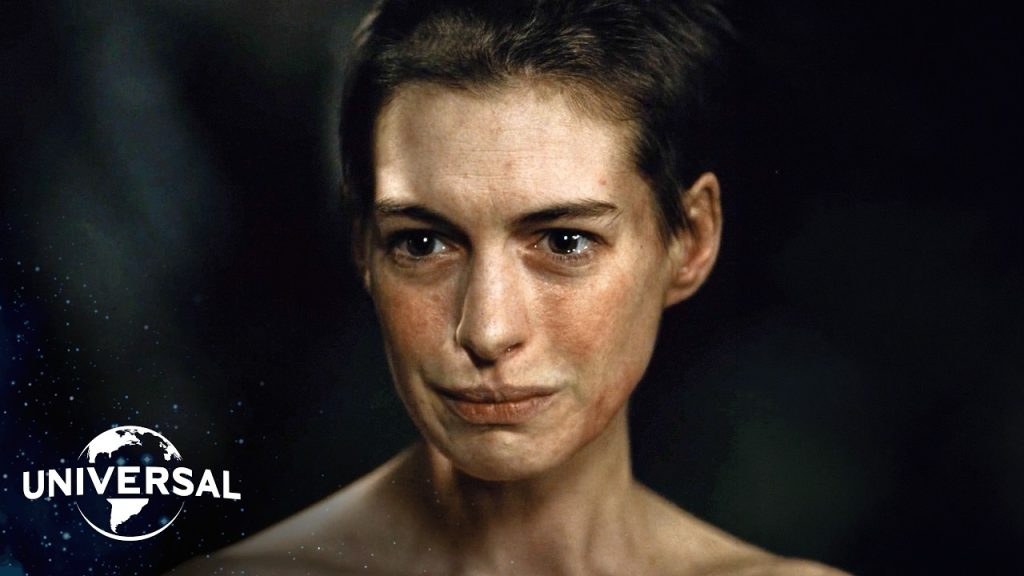
Anne Hathaway’s rendition of “I Dreamed a Dream” in Les Misérables belongs firmly in the second category.
With Universal Pictures recently releasing Fantine’s full performance online, audiences have another opportunity to experience one of the defining moments of modern musical cinema. It’s a scene that remains every bit as powerful today as it was when the film first premiered, capturing heartbreak, vulnerability and shattered hope in just a few unforgettable minutes.
For me, Les Misérables has always been much more than a musical.
I’ve seen the stage production in London’s West End probably 20 times or so and, through a series of workshops with members of the creative team, was fortunate enough to experience something very few theatre lovers ever do, stepping inside the world of Les Misérables from a performer’s perspective. Those workshops culminated in live performances before audiences in Belfast and London, offering a unique appreciation of the emotional and physical commitment required to bring these characters to life.
It gave me an even greater respect for the performers who carry Victor Hugo’s extraordinary story night after night.
Perhaps that’s why I still find myself becoming emotional every time I watch either the stage production or Tom Hooper’s film adaptation.
The story speaks to something universal.
Each of the principal characters are fighting a battle that feels deeply human. Love. Loss. Redemption. Hope. Regret. The circumstances may belong to nineteenth-century France, but the emotions belong to all of us. We recognise pieces of ourselves in these characters because, in one way or another, we’ve all experienced moments where life hasn’t unfolded as we imagined.
That’s what makes Fantine’s journey so devastating.
“I Dreamed a Dream” isn’t simply a song. It’s the painful realisation that the future you believed in may never arrive. The dreams that once felt certain have slowly slipped away, replaced by harsh reality. It’s a moment of grief for the life she thought she would have.
Anne Hathaway understood that completely.
Her performance strips away any sense of theatricality. There are no distractions, no grand gestures for the sake of spectacle. Instead, every expression, every pause and every line feels painfully authentic. It’s an intensely physical performance, where exhaustion, desperation and heartbreak are written across her face long before the lyrics tell the story.
It’s one of those rare moments where cinema and theatre meet perfectly. The emotional truth of the stage remains intact, while the intimacy of film allows the audience to experience every fragile detail.
Few musical performances have achieved that balance so completely.
Whether you’ve loved Les Misérables for decades or are discovering it for the first time, Fantine’s story remains as moving today as ever. It’s a reminder that the greatest musicals aren’t remembered because of their songs alone, but because they tell deeply human stories that continue to resonate across generations.
Sometimes a performance doesn’t just move us.
It reminds us of our own dreams, our own disappointments and, ultimately, our own resilience.
Watch Anne Hathaway’s full performance of “I Dreamed a Dream”, courtesy of Universal Pictures, here: